Bringing a puppy home is exciting, but it also means you need to get your space ready for your new furry friend. Start by puppy-proofing your home. Puppies are naturally curious and will get into everything! Secure any loose wires, put away small items they might swallow, and remove anything breakable that could end up as chew toys.
Next, create a safe zone for your puppy. Choose a comfy spot away from foot traffic where they can relax and feel secure. A cozy bed and some toys will make it inviting. You can also set up a gate to keep them in this area while you're busy with tasks around the house.
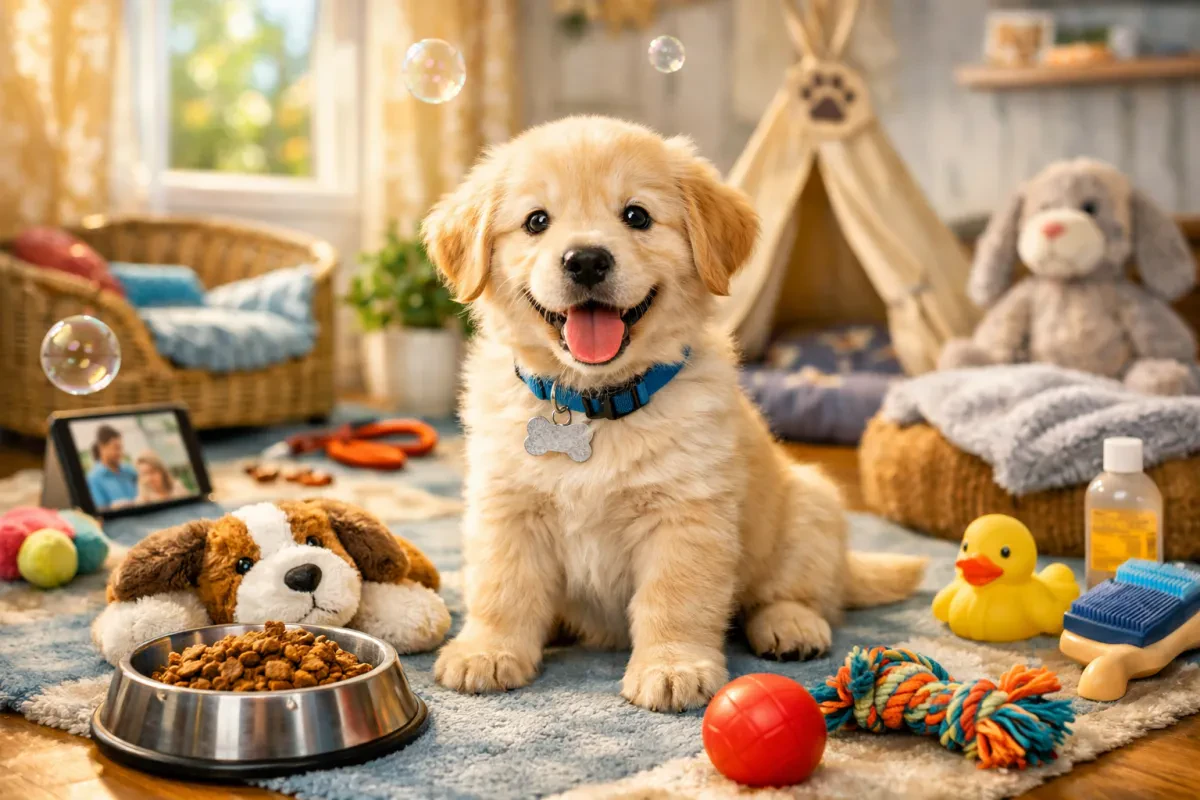
Have all the essentials on hand before your puppy arrives. This includes food and water bowls, high-quality puppy food, treats for training, and a collar with ID tags. Don’t forget to grab some grooming supplies and, of course, plenty of toys to keep them entertained. Puppies need mental stimulation, so a mix of chew toys and interactive games will keep them happy.
Finally, consider your outdoor space. Check your yard for any hazards like sharp objects or plants that could be harmful to your puppy. Fencing is crucial if you want them to roam freely without escapes. Some time spent prepping your yard can give you peace of mind when it’s playtime!
Basic Training Tips for Your New Friend
Bringing a new puppy home is exciting, but it’s also a huge responsibility! Training your puppy is essential to help them grow into a well-behaved and happy dog. Here are some basic training tips to get you started on the right paw.
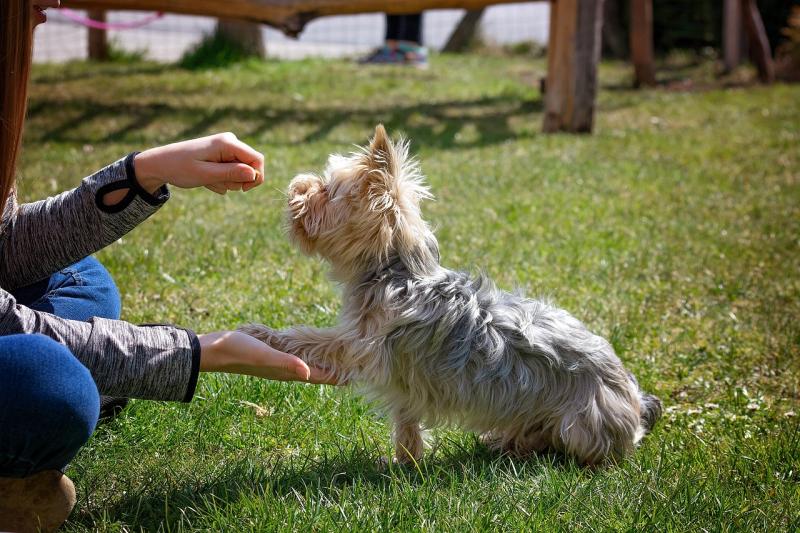
First off, start with the basics. Teach your puppy simple commands like “sit,” “stay,” and “come.” Use treats and lots of praise to make learning fun! Puppies love snacks, so don’t hold back. Keep training sessions short, around 5 to 10 minutes, to hold their attention. Gradually, you can increase the length as they get the hang of it.
Consistency is key in training. Make sure everyone in your household uses the same commands and rules. If one person lets the puppy jump on them, but another doesn’t, it confuses your furry friend. Create a routine for potty breaks and mealtime, so your puppy knows what to expect each day.
Socialization is another big part of training. Expose your puppy to different people, pets, sounds, and environments. This helps them become well-adjusted and less fearful in new situations. Aim for positive experiences, and don’t hesitate to take it slow. Gradually increasing their exposure to the world can help them grow into a confident adult dog.
Lastly, be patient and remember that training is a journey. Celebrate the little victories along the way! Puppies learn at their own pace, so give them time to understand what you want. Keep it fun, and both of you will enjoy the time spent together.
Feeding Your Puppy the Right Way
Stick to a regular feeding schedule. Most puppies do well with three to four meals a day, depending on their age. Set specific times for feeding, so your little one knows when to expect their tasty meals. Consistency helps with digestion and can even aid in potty training!
Watch your puppy’s reaction to their food. If they’re scarfing it down, that's a good sign. However, if they’re turning their nose up, it might be time to try a different brand or flavor. Some puppies are picky, so don’t hesitate to experiment a little to find what they love.
Always have fresh water available. Hydration is just as important as a balanced meal. Puppies can get thirsty after playing or eating, so make sure their water bowl is always filled. This will help keep them energetic and happy!
As your puppy grows, adjust their food portions according to their size and activity level. Monitor their weight and make changes if you notice them gaining or losing too much. A healthy puppy will be playful and full of life!
Keeping Your Puppy Healthy and Happy
Bringing home a new puppy is so exciting! But it also comes with a lot of responsibilities. Keeping your furry friend healthy and happy should be your top priority. Let's dive into some key tips to help you along the way.
First up, nutrition. A balanced diet is essential for your puppy's growth and energy. Look for high-quality puppy food that has the right mix of proteins, fats, and vitamins. Feeding your pup the right amount can prevent obesity and other health issues down the line. Don’t forget to freshen their water bowl regularly too!
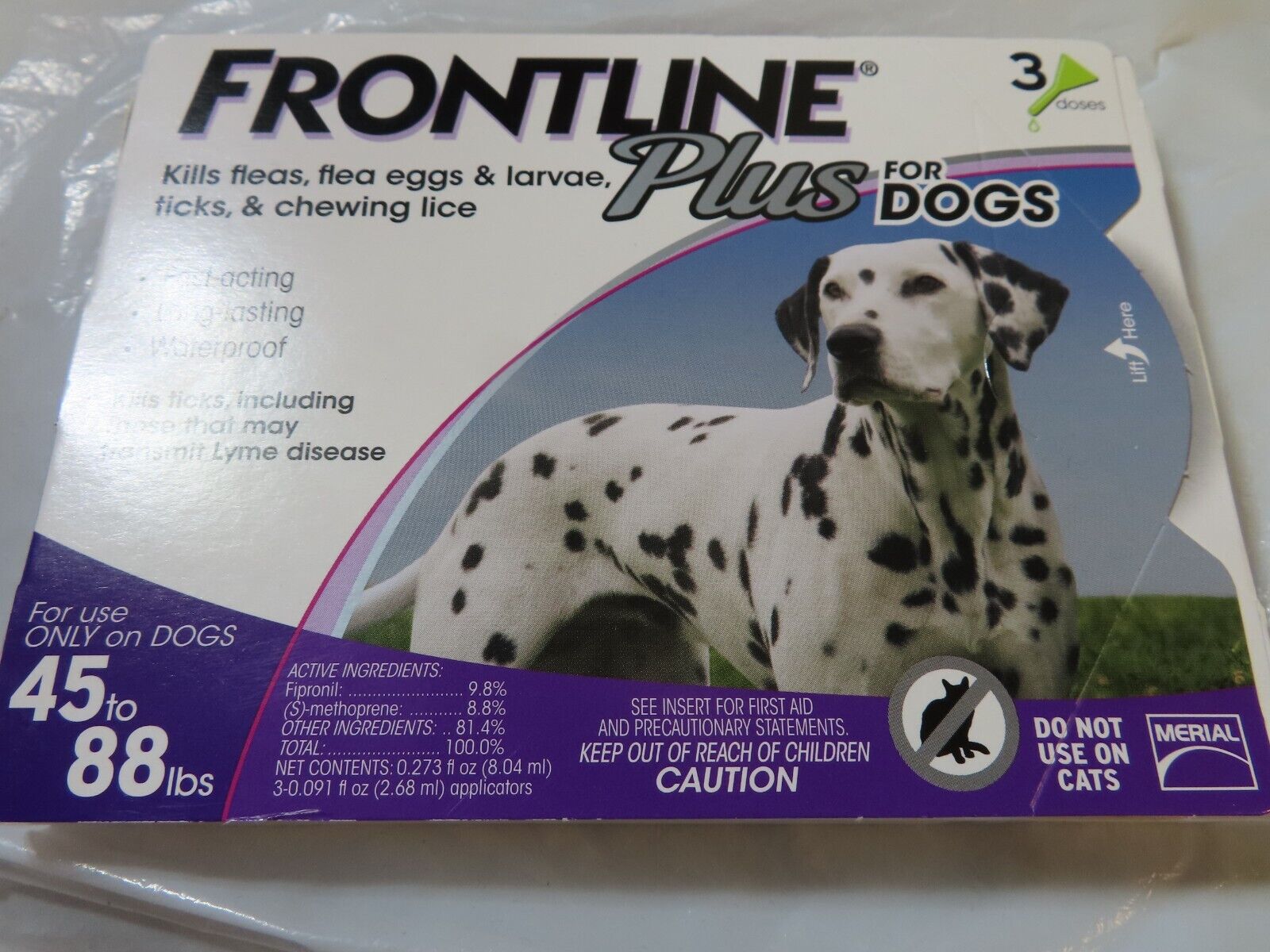
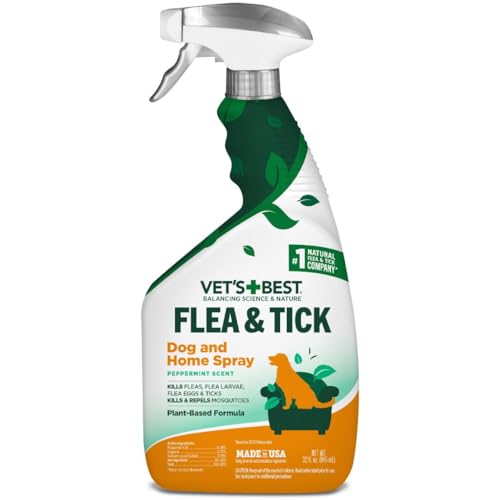
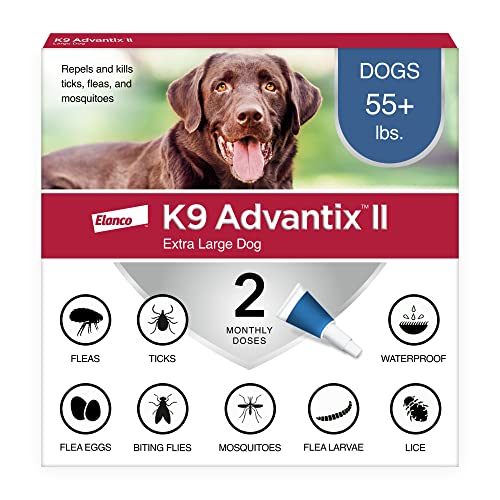
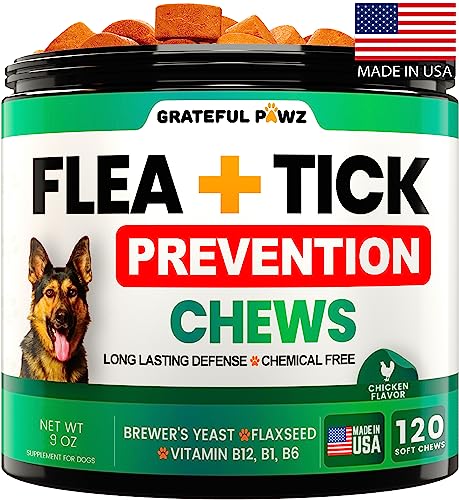
Regular vet check-ups are a must. Your puppy needs vaccinations, check-ups, and possibly some preventive treatments for parasites. These visits can help catch any potential health problems early. Plus, getting your puppy socialized with the vet staff can make future visits less stressful for everyone.
Exercise is super important. Young pups have tons of energy, so give them plenty of playtime! Daily walks, play sessions, or even some fun games in the backyard keep them fit and help them burn off that excess energy. But pay attention to your puppy’s limits; they might need breaks while they're still growing.
Last but not least, don’t forget the power of love and attention. Spending quality time with your puppy not only strengthens your bond but also keeps them emotionally healthy. Cuddles, training sessions, and playtime help them feel secure and happy. So, enjoy every moment with your new best friend!